

UX as a Catalyst for Digital Purchases
How strategic design transforms browsers into buyers.
Envision entering a boutique where harsh illumination disorients, spatial arrangement confuses, and the merchandise is pushed to the margins. Would you be inclined to stay? Probably not. Now transpose this situation to the digital realm.

A website that resembles a pixelated yard-sale. Cluttered layouts overwhelm the eye, erratic fonts clash violently, menus drift around, and essential information lies submerged beneath an avalanche of pop-ups and broken links. A UX horror story, right?
Virtual marketplaces are no different than physical ones. Both demand aesthetics and sophisticated design to orchestrate every interaction, every hesitation, and ultimately, every transaction.
This is the subtle yet profound architecture of user experience design, the indispensable catalyst that transmutes passive visitors into devoted patrons.
Here’s your roadmap to spinning UX investments into increased revenue.
Personalization:
How tailored experiences amplify sales.
Amazon is the gold standard for how strategic UX design can enhance digital commerce. Its homepage and product pages are meticulously personalized based on user behavior and purchase history. This data-driven approach to UX ensures every visitor sees relevant products and tailored recommendations, creating a shopping experience that feels uniquely curated and exclusive. As though every item on the shelf was handpicked for you.
To learn by example, if a customer frequently browses electronics, Amazon prioritizes deals on gadgets and accessories, reducing decision fatigue and encouraging faster purchases. This personalized UX not only increases customer engagement but also boosts conversion rates, proving that personalization in e-commerce UX is a powerful tool for driving sales.
Strengthening Brand Identity with UX Flexibility.
While Amazon tightly controls its user experience, platforms like Shopify allow merchants to create fully customized online stores. This flexibility supports brand identity development through UX by enabling sellers to choose unique layouts, color schemes, and interactive features that reflect their brand personality.
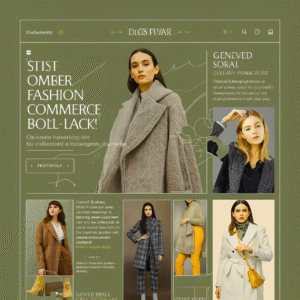
For instance, a boutique fashion brand using Shopify can build a minimalist and elegant storefront, making navigation straightforward and checkout frictionless. This brand-centric UX design fosters trust and enhances customer loyalty, showing how tailored UX design for e-commerce can increase repeat purchases and overall revenue.
Transparent Marketplace Design.
Platforms like eBay showcase how a user-friendly interface combined with strong trust signals can significantly boost sales. By prioritizing clear product information, transparent seller ratings, and an intuitive bidding process, these marketplaces reduce buyer hesitation and make the purchase journey smoother. This thoughtful UX design fosters confidence and encourages repeat business, proving that transparency and ease of use are critical factors in driving conversions in competitive digital marketplaces.
UX Design, the Ultimate Sales Driver
Effective UX design goes beyond aesthetic appeal; it’s about creating seamless, enjoyable user journeys that minimize friction and anticipate customer needs. Research shows that improving UX can increase online conversion rates by up to 200% and significantly enhance customer satisfaction.
A common pain point is the checkout process, where many potential buyers abandon their carts due to complicated steps or lack of payment options. Websites that streamline checkout, offer guest purchases, and clearly indicate progress, often see much higher completion rates. Similarly, mobile-friendly UX design caters to the growing number of shoppers using smartphones, ensuring smooth browsing without pinch-to-zoom frustrations or slow loading times.
Bonus: 5 Essential UX Tips to Perfect Your E-Commerce Website
To optimize your online store for higher sales and better user engagement, consider these five UX best practices inspired by industry leaders.
- Optimize Site Speed: Slow-loading websites drive visitors away. Compress images, use caching, and invest in reliable hosting to keep load times under three seconds.
- Simplify Navigation: Use clear menus, intuitive categories, and a visible search bar to help users find products quickly and easily.
- Leverage Personalization: Integrate AI-powered recommendation engines to display products and offers tailored to individual user behavior.
- Prioritize Mobile Responsiveness: Ensure your site adapts seamlessly to all devices since over 50% of e-commerce traffic comes from mobile users.
- Streamline Checkout: Reduce steps, provide multiple payment options, and display trust badges to decrease cart abandonment rates.
At Scopun, we don’t just design websites, we engineer experiences that turn hesitation into clicks and clicks into revenue. Whether you’re reimagining your storefront or building from the ground up, our UX-first approach ensures every element works in harmony to serve one purpose: sales through satisfaction. Design is the silent salesman. Scopun makes sure yours never stops selling.
Contact Scopun now to make your brand impossible to ignore.